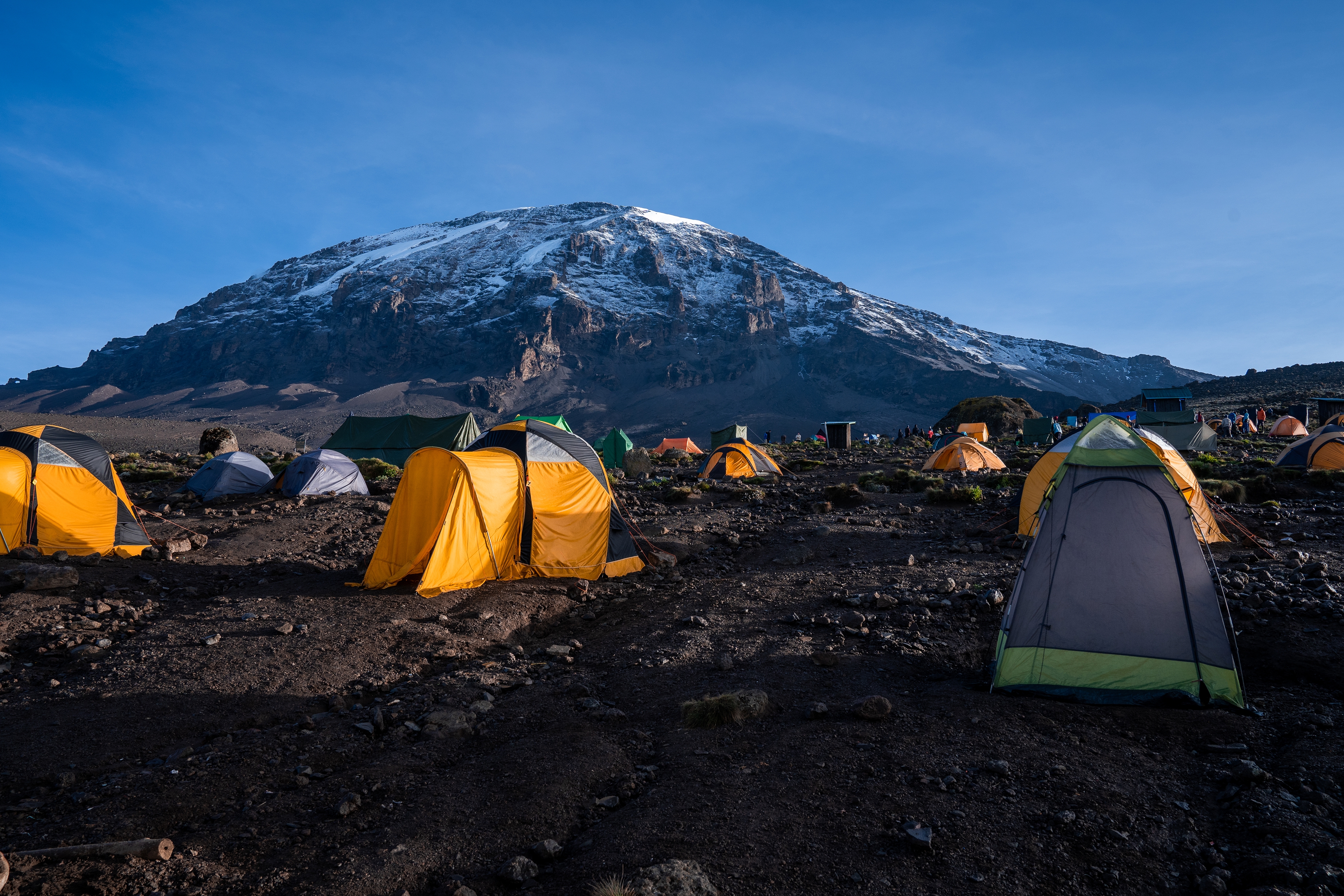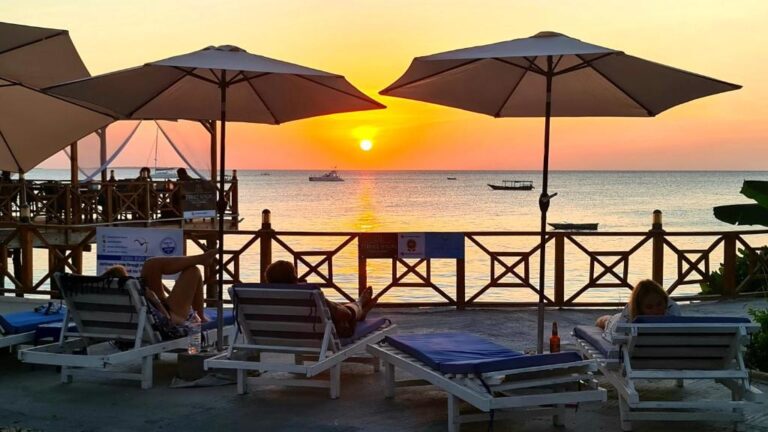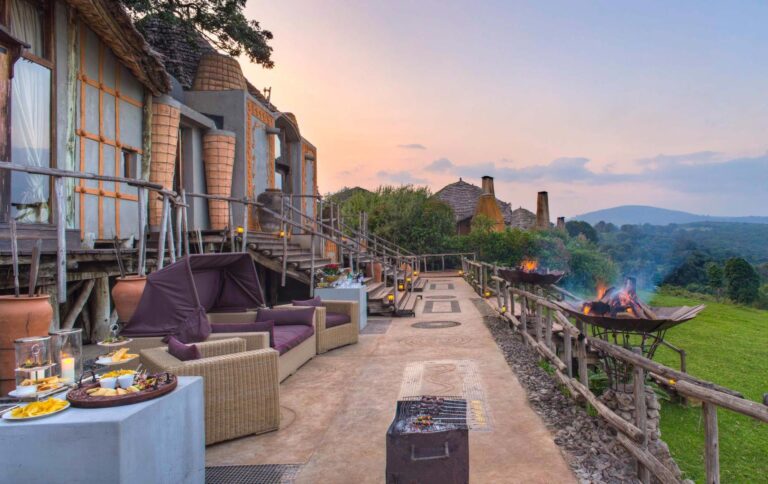
Mount Kilimanjaro is Africa’s highest mountain and one of the world’s most iconic trekking destinations. Rising to 5,895 metres (19,341 feet) above sea level, Kilimanjaro attracts adventurers from around the world who want to experience its dramatic landscapes and stand on the Roof of Africa.
Whether you are planning your first Kilimanjaro climb or comparing routes, this guide covers the main routes, expected costs, best time to climb, preparation, accommodation, altitude challenges, and what you can expect from the experience.
Why Climb Mount Kilimanjaro?
A Kilimanjaro climb offers an incredible combination of adventure, nature and cultural experiences. Unlike many high-altitude mountains, Kilimanjaro does not require technical mountaineering skills for the standard trekking routes.
During the climb, you can experience several ecological zones, from cultivated farmland and rainforest to moorland, alpine desert and the icy summit environment.
Reaching Uhuru Peak at 5,895 metres is the ultimate goal, but the journey itself is equally memorable.
Mount Kilimanjaro Routes
Kilimanjaro has several established routes. Each has a different character, scenery, duration and level of difficulty.
1. Machame Route
The Machame Route, often called the “Whiskey Route,” is one of the most popular options.
It is known for beautiful scenery and good opportunities for acclimatization because of its climbing profile. The route normally takes around 6–7 days.
Best for: Trekkers looking for scenic landscapes and a challenging but rewarding route.
2. Marangu Route
The Marangu Route is sometimes called the “Coca-Cola Route.” It is the only major route where trekkers sleep in mountain huts rather than tents.
The route is generally completed in 5–6 days, although adding an extra acclimatization day is highly recommended.
Best for: Trekkers who prefer hut accommodation and a more straightforward trail.
3. Lemosho Route
The Lemosho Route is famous for its scenic beauty and gradual approach to the mountain. It generally takes 7–8 days, giving trekkers more time to acclimatize.It is an excellent choice for people who want a longer, more gradual climb.
Best for: First-time climbers who want a scenic route with strong acclimatization potential.
4. Rongai Route
The Rongai Route approaches Kilimanjaro from the northern side near the Kenya border. It is generally quieter than Machame and Marangu.The route usually takes around 6–7 days.
Best for: Trekkers seeking a quieter experience and a different perspective of Kilimanjaro.
5. Northern Circuit Route
The Northern Circuit is the longest major Kilimanjaro route, usually taking 8–9 days.
It provides excellent acclimatization and takes trekkers around the northern side of the mountain before joining the summit approach.
Best for: Trekkers who have enough time and want to maximize acclimatization opportunities.
6. Umbwe Route
The Umbwe Route is a steep and challenging approach. It is generally considered one of the more demanding routes because of its rapid elevation gain.
Best for: Experienced trekkers who are comfortable with steep terrain.
Which Kilimanjaro Route Is Best?
There is no single route that is perfect for everyone.
For many first-time climbers, Lemosho, Machame or Northern Circuit are excellent choices because their longer itineraries allow more time for acclimatization.
If hut accommodation is important to you, Marangu may be preferable.If you want a quieter trail, consider Rongai.
The most important factor is not simply choosing the shortest or cheapest route. More time on the mountain generally gives your body more opportunity to adapt to altitude.
How Much Does It Cost to Climb Kilimanjaro?
Kilimanjaro climbing prices vary depending on the route, number of days, group size, accommodation, season and tour operator.
As a general planning guide, a properly organized climb can cost approximately US$1,500–US$4,000+ per person, with premium private climbs potentially costing more.
Your package may include:
- Park and conservation fees
- Camping or mountain hut fees
- Professional mountain guides
- Porters
- Cook and meals
- Tents and camping equipment
- Transfers
- Rescue or emergency arrangements
- Pre-climb briefing
Always ask your operator for a detailed quotation so you understand exactly what is included.
Additional Costs to Budget For
You should also consider:
- International flights
- Tanzania visa
- Travel insurance
- Personal trekking equipment
- Tips for guides, porters and support staff
- Hotel accommodation before and after the climb
- Personal snacks and drinks
- Optional airport transfers or extra activities
Avoid choosing an operator solely because they offer the cheapest price. Proper staffing, food, equipment, safety procedures and fair treatment of porters are important parts of a responsible Kilimanjaro climb.
Best Time to Climb Kilimanjaro
Kilimanjaro can be climbed throughout much of the year, but the generally preferred periods are the drier seasons.
January to February
These months can provide good trekking conditions and relatively clear views, although weather can change quickly at altitude.
June to October
This is one of the most popular periods because of generally drier conditions. July, August and September are particularly busy.
November to December
Short rains can make some trails wetter, but climbing is still possible with appropriate preparation.
March to May
This period experiences the long rains and is generally less popular for climbing because trails can become wet and muddy.
Best overall periods: January–February and June–October are commonly preferred.
What to Expect During the Climb
A typical Kilimanjaro expedition starts at a lower elevation and gradually moves through different ecological zones.
Cultivation Zone
The lower slopes are surrounded by farmland and local communities. Depending on your route, you may walk through cultivated areas before entering the forest.
Rainforest
The lower mountain is covered by lush rainforest. You may encounter birds, monkeys and dense vegetation.
Moorland
As you climb higher, the forest gives way to open moorland, giant plants and expansive mountain views.
Alpine Desert
Vegetation becomes increasingly sparse as you enter the alpine desert zone. The landscape becomes rocky and dramatic.
Arctic Summit Zone
Near the summit, temperatures can fall significantly below freezing. The environment becomes harsh, dry and exposed.
The final summit push usually begins very early in the morning, often around midnight or shortly afterward. You climb through darkness toward Uhuru Peak and aim to reach the summit around sunrise.
Altitude on Kilimanjaro
Altitude is one of the biggest challenges on Kilimanjaro.
Symptoms of altitude sickness can include:
- Headache
- Nausea
- Dizziness
- Fatigue
- Shortness of breath
- Loss of appetite
The best strategy is to climb slowly and allow sufficient time for acclimatization.
Listen carefully to your guide. If serious symptoms develop, descending is the safest response.
How Fit Do You Need to Be?
You do not need to be an elite athlete to climb Kilimanjaro, but you should be physically prepared for several consecutive days of walking.
A useful training program can include:
- Long-distance walking
- Hiking on hills
- Stair climbing
- Cardiovascular exercise
- Strength training
- Weekend hikes with a backpack
Begin training several months before your trip and gradually increase the distance and elevation of your hikes.
Mental preparation is equally important. The summit day can be long, cold and physically demanding.
What Should You Pack?
Essential equipment normally includes:
- Waterproof hiking boots
- Warm layers
- Waterproof jacket and trousers
- Thermal base layers
- Fleece or insulated jacket
- Warm sleeping bag
- Gloves
- Warm hat
- Sun hat
- Sunglasses
- Headlamp
- Trekking poles
- Water bottles or hydration system
- Sunscreen
- Personal medication
- Small daypack
- Duffel bag for porter transport
Your operator should provide a detailed packing list before departure.
Kilimanjaro Food and Accommodation
Accommodation depends on the route.On Marangu, trekkers stay in mountain huts.
On most other routes, accommodation is in mountain tents.
Meals are generally prepared by the expedition cook and are designed to provide enough energy for long trekking days. A good operator should be able to discuss dietary requirements before your climb.
Kilimanjaro Summit Day
Summit day is usually the most demanding part of the expedition.You typically start during the night and climb slowly toward Stella Point or directly toward Uhuru Peak depending on the route.
The final ascent can take several hours. At high altitude, even a short distance can feel difficult.
When you finally reach Uhuru Peak, you will have reached the highest point in Africa.
After celebrating and taking photographs, you descend to a lower camp. The descent can be tiring but is usually much faster than the ascent.
How Many Days Should You Spend on Kilimanjaro?
Although shorter climbs are available, a longer itinerary is generally preferable for acclimatization.
A 7–8 day climb is a strong option for many first-time trekkers.
If you have more time, the 8–9 day Northern Circuit can provide an even more gradual experience.
The key principle is simple:
Don’t rush the mountain.
Tips for a Successful Kilimanjaro Climb
- Choose a reputable and responsible tour operator.
- Select a route that allows adequate acclimatization.
- Train consistently before your trip.
- Invest in good-quality footwear and warm clothing.
- Walk slowly—your guide may repeatedly remind you to do this.
- Drink enough water throughout the trek.
- Eat even when your appetite decreases.
- Communicate honestly with your guide about how you feel.
- Protect yourself from sun exposure.
- Get enough rest before the summit attempt.
Frequently Asked Questions
Is Kilimanjaro difficult to climb?
Kilimanjaro is physically demanding, particularly because of the altitude, but it does not require technical climbing skills on the standard trekking routes.
How long does it take to climb Kilimanjaro?
Most successful itineraries take approximately 5–9 days, depending on the route. Longer routes are generally better for acclimatization.
Can beginners climb Kilimanjaro?
Yes. Many first-time trekkers successfully reach the summit. Proper preparation, a suitable route and good acclimatization are important.
What is the best Kilimanjaro route for beginners?
Lemosho and Machame are popular choices. A longer itinerary is generally preferable because it gives you more time to acclimatize.
Can I climb Kilimanjaro without a guide?
Kilimanjaro climbs must be conducted with an authorized guide and support team. Travelers should book through a properly licensed operator.
What is the success rate on Kilimanjaro?
Success rates vary significantly depending on route, itinerary length, operator and individual preparation. Longer itineraries generally provide better acclimatization opportunities than very short climbs.